A new wave of transformative training has begun in Kishapu District, targeting three key pillars of sustainable development: entrepreneurship, formal job skills, and gender norm change. This initiative is part of a larger, multi-year project aimed at reducing and redistributing unpaid care work for women and girls, while building economically empowered and gender-equitable communities.
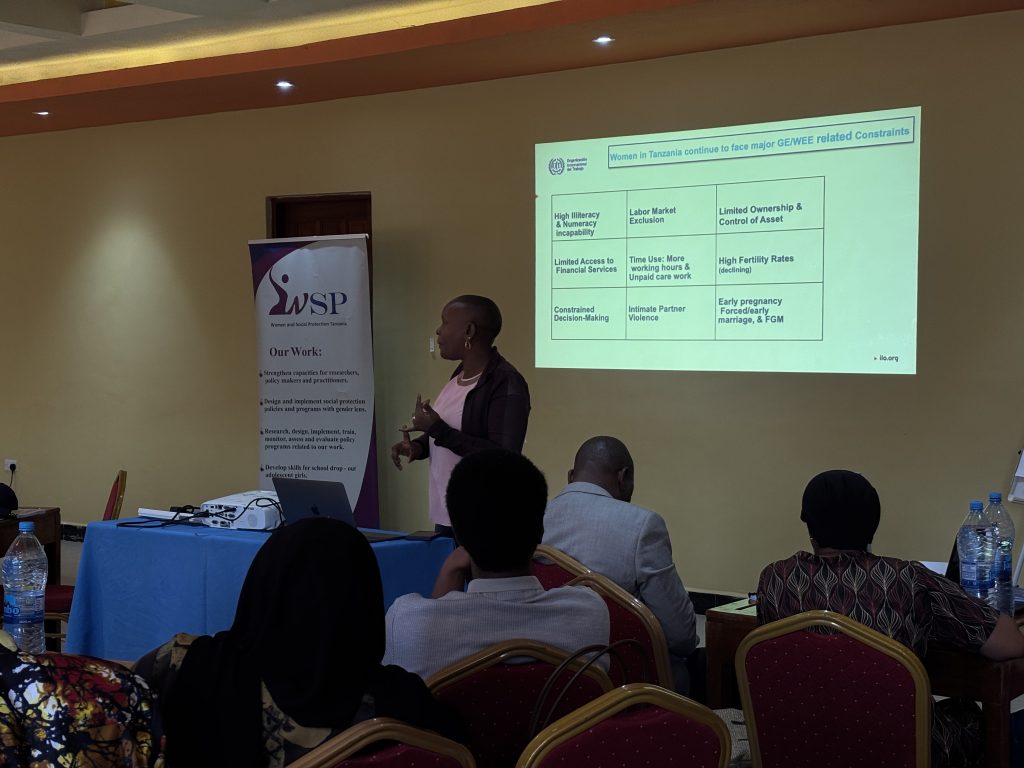
The training, organized through 20 local social groups (each comprising 12 households), targets both Local Government Authorities (LGAs) and community beneficiaries.
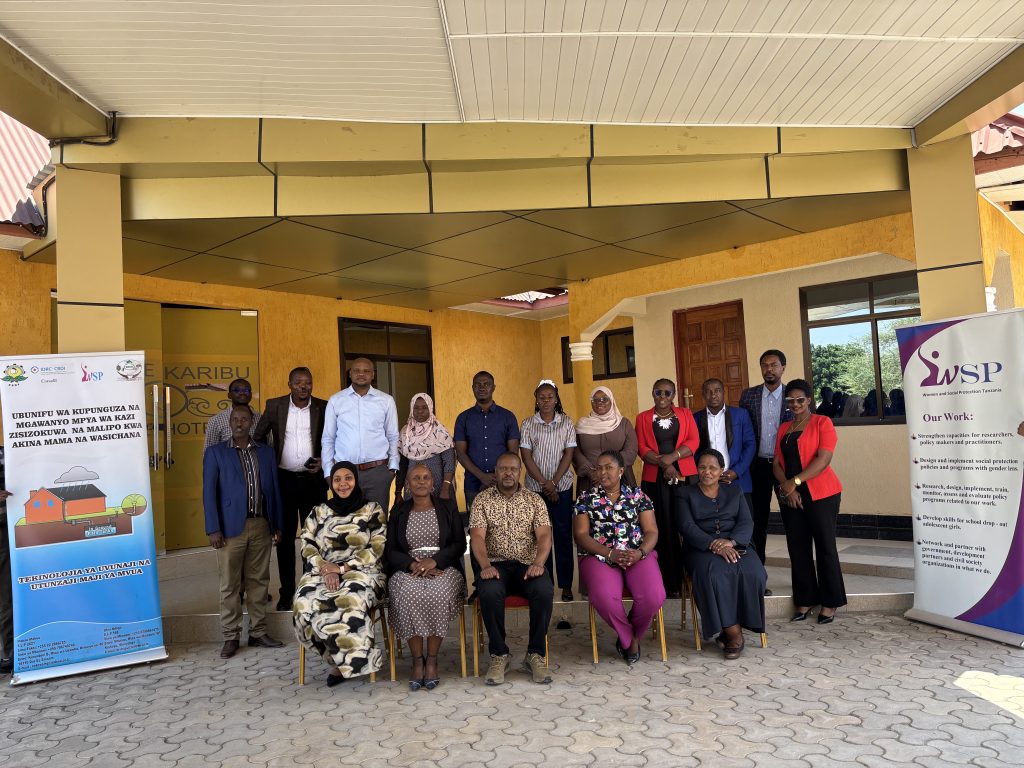
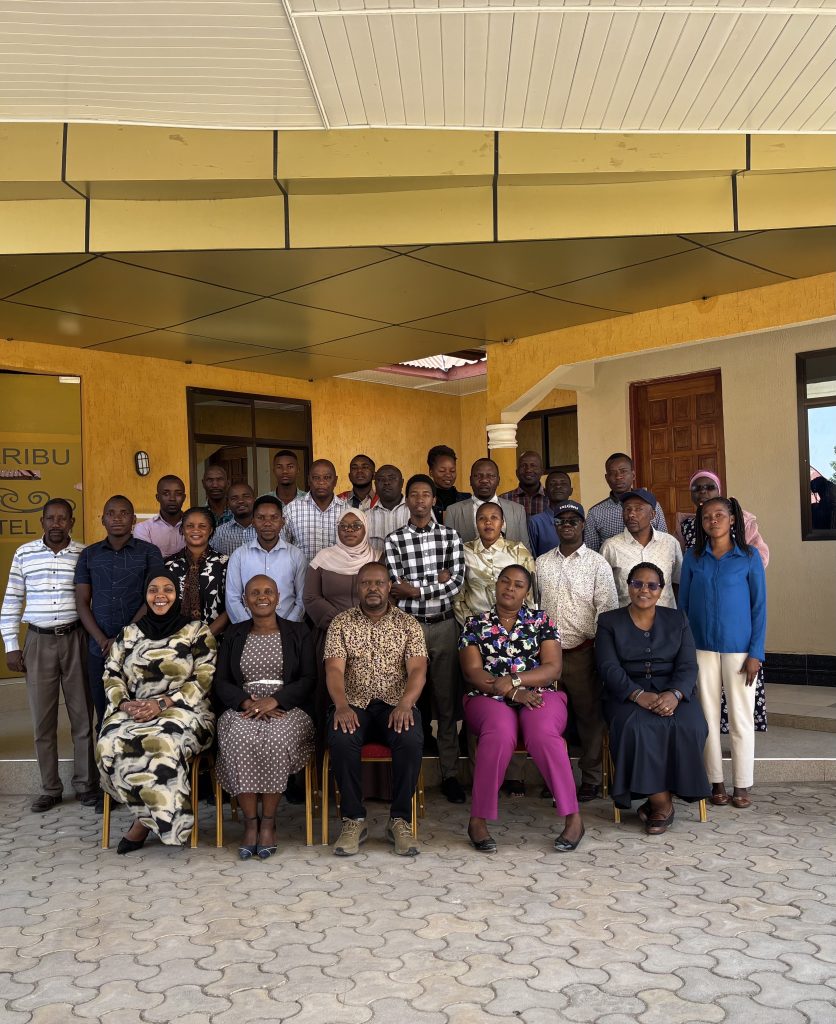
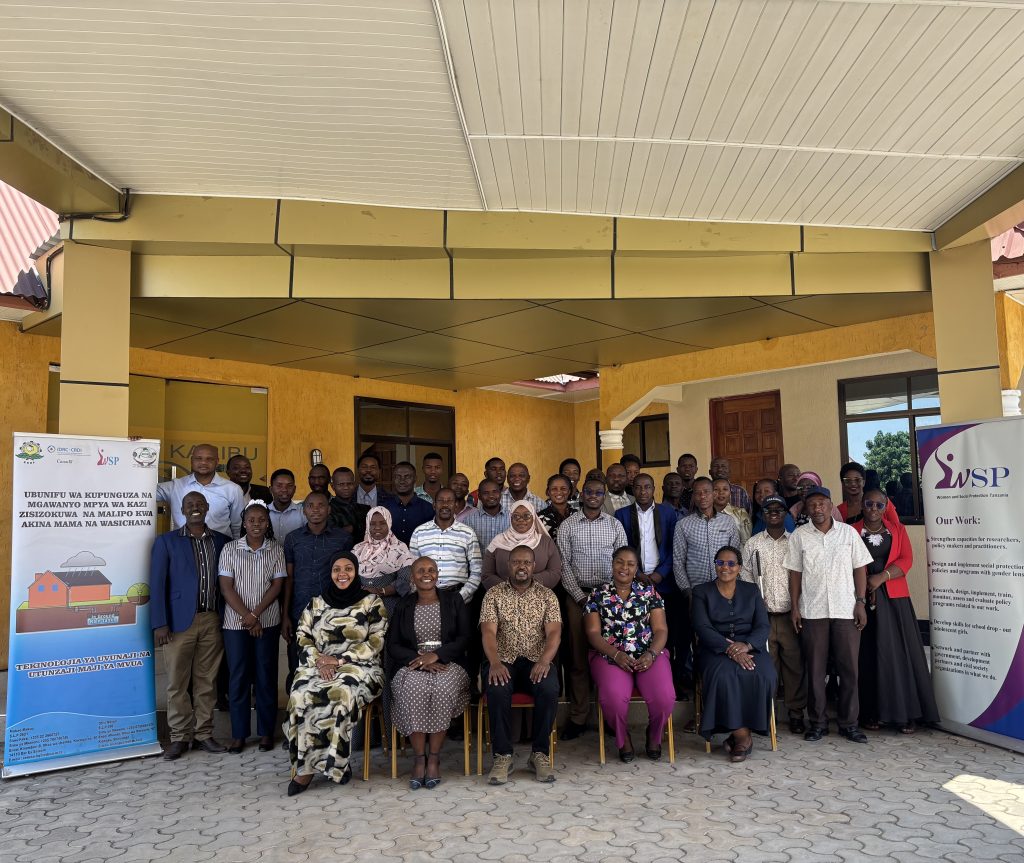
Over five days, 40 government officials from the Kishapu District Council, Shinyanga Regional Office, Ministry of Community Development, Gender, Women and Special Groups, and the President’s Office for Regional Administration and Local Government (PO-RALG) came together to engage in practical, in-depth sessions.
The program achieved a 100% attendance rate, underscoring strong commitment from policymakers to take these lessons back into their communities.
This initiative is supported by the International Development Research Centre (IDRC) and is implemented by a consortium of three organizations. WSP Tanzania leads the skills and capacity-building component, focusing on economic empowerment and norm change through male engagement using a contextualized version of Rwanda’s Bandebereho model, now called “BaBaJamii” in Tanzania. ESRF consortium lead (which is responsible for the baseline study and will also conduct the endline evaluation. REDESO leads the implementation of the rainwater harvesting technology intervention.
In total, the project will benefit:
- 480 community participants
- 24 norm change facilitators and their partners
- 40 LGA officials
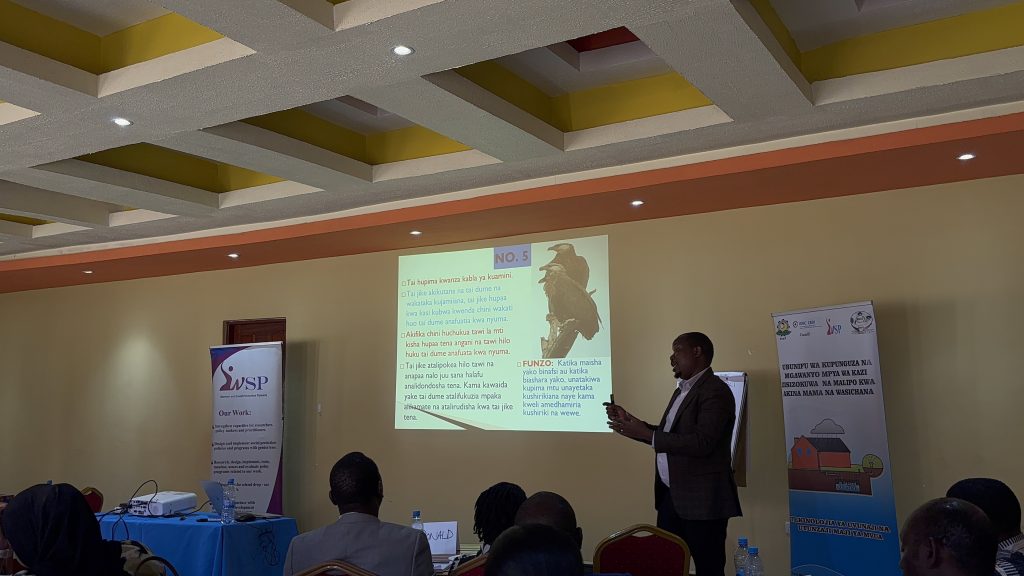
Training Highlights: From Knowledge to Transformation
The five-day LGA training, held from July 28 to August 1, 2025, was co-facilitated by the consortium team in collaboration with the Prime Minister’s Office for Labour, Youth, Employment and Persons with Disability (PMO-LEYD). Two expert facilitators delivered the content:
The sessions were practical, participatory, and deeply engaging designed to spark both personal reflection and institutional commitment.
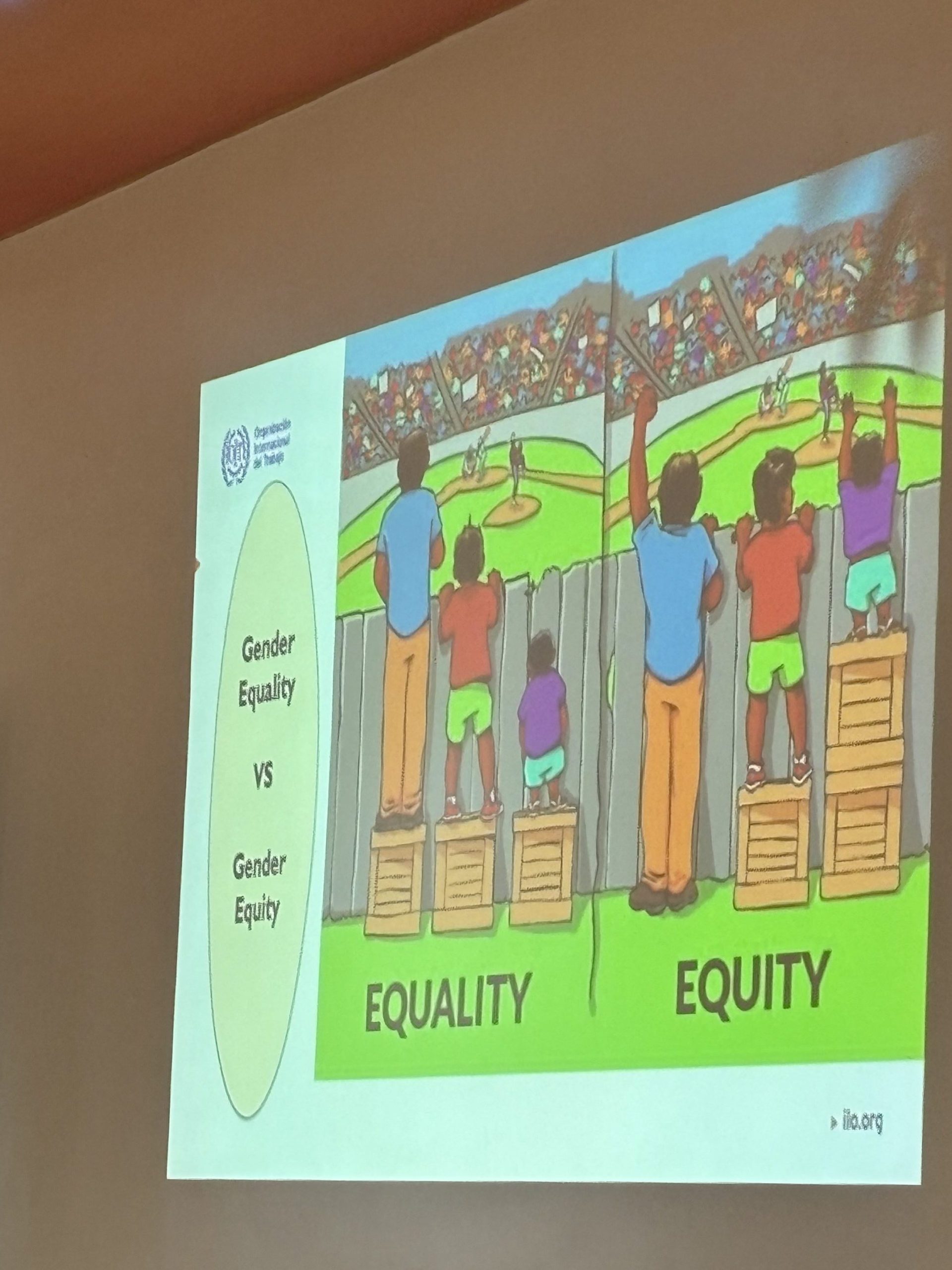
“Some men are scared. We’re scared to talk about equality because the women are now more educated, some even earn more than their husbands. And we don’t know how to position ourselves in that reality anymore especially when we were never taught to share responsibility.” Male LGA Participant
“The problem today is that many men have abandoned their role as heads of the household. That’s why so many women feel the pressure to step up. When a man no longer leads or provides, the woman especially when she’s educated will naturally feel compelled to take on that position.” Female LGA Kishapu DC
“When we were the ones benefiting from gender inequality, we called it normal. Now that women are empowered, and we feel the imbalance, we call it unfair. But just because something feels uncomfortable doesn’t mean it’s wrong. It just means it’s new. And we must learn to live in this new way.” Male LGA Participant 2 (Visually Impaired)
An Unforgettable Moment: When the Invisible Became Visible
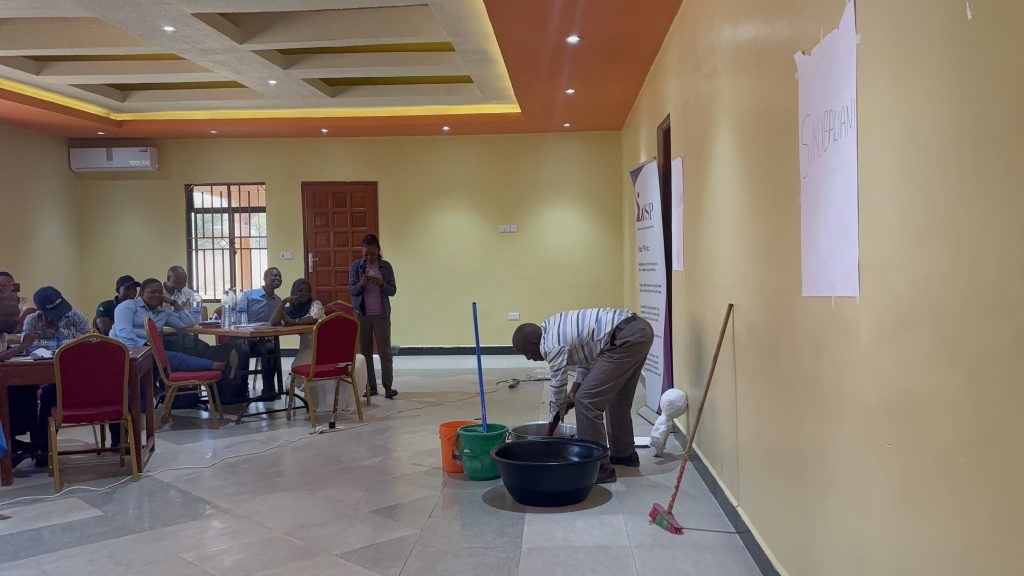
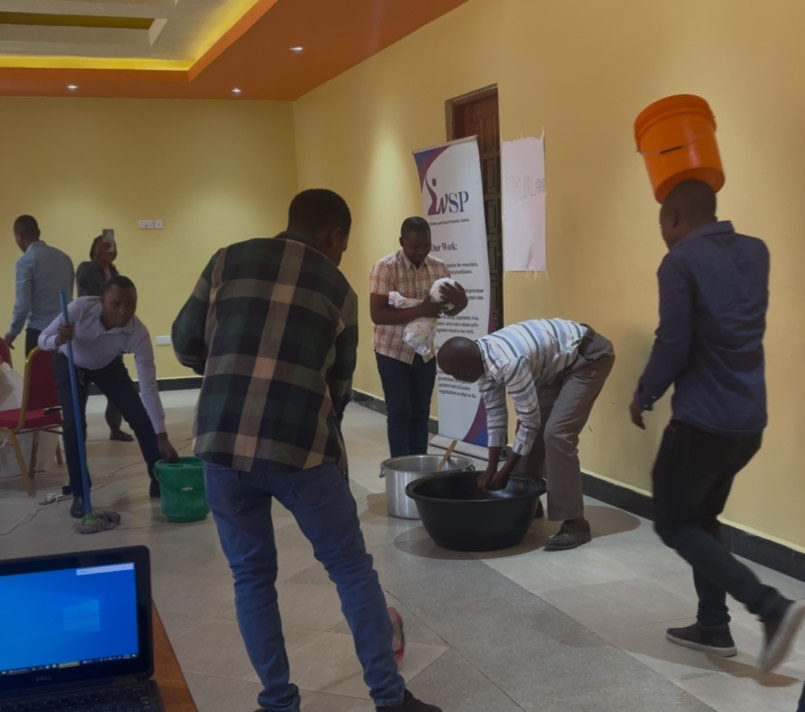
One of the most powerful moments of the training occurred during a role-play exercise led by Dr. Flora Myamba. Six male LGA participants acted out a scene where they performed tasks like fetching water, sweeping, cooking, washing, mopping, and holding a baby.
One by one, each person handed their responsibility back to the woman and left. The scene ended with her alone, overwhelmed by the weight of all the unpaid care work. The dramatization clearly illustrated how women are often expected to absorb the full burden of household labor. It turned abstract gender discussions into lived reality, sparking honest reflection.
Participants were visibly moved, and many expressed surprise at how normalized this imbalance has become. The exercise set the tone for deeper conversations on shared responsibility and gender equity in homes and communities.
“It was eye-opening. Seeing it acted out like that made me realize how we unintentionally leave everything to women,” shared one male participant.
What’s Next?
While LGA training concluded on August 1, 2025, entrepreneurship and formal job training for community beneficiaries is ongoing from July 28 to August 9, 2025. The norm change training is structured in two phases:
- Phase One: Two weeks for community facilitators and 15 weeks for beneficiaries.
- Phase Two: 1 week refresher for “BaBaJamii” training and 15-week phase starting in February 2026.
By integrating both economic empowerment and gender norm transformation, the program aims to build more inclusive, equitable communities in Kishapu and set a replicable example for other districts across Tanzania.
Thank you for reading.