KISHAPU, SHINYANGA — Women and Social Protection (WSP) Tanzania, in collaboration with the Economic and Social Research Foundation (ESRF) and the Relief to Development Society (REDESO), has officially launched Phase 2 of the project: Scaling Up Innovations to Reduce and Redistribute Women’s Unpaid Care Work in Kishapu District, Shinyanga. Supported by Canada’s International Development Research Centre (IDRC) This initiative focuses on addressing the burden of unpaid care work for women and girls in rural Tanzania.
During Phase 2, the consortium is reinforcing materials from Phase 1. By engaging field facilitators, government officials, sector ministries, and targeted households in the economic and BaBaJamii frameworks, we are cementing behavioral shifts across 10 villages.
The Strategic Milestones Leading to the Execution of Phase 2
The rollout of this current phase was executed through a step-by-step training sequence:
1.Stage 1: 1-Week Facilitator Refresher Training at WSP HQ:The Foundation at Headquarters.
The phase kicked off at WSP Headquarters with a one-week refresher training for facilitators. This week served to anchor the training team on implementation standards and review field insights for the curriculum.
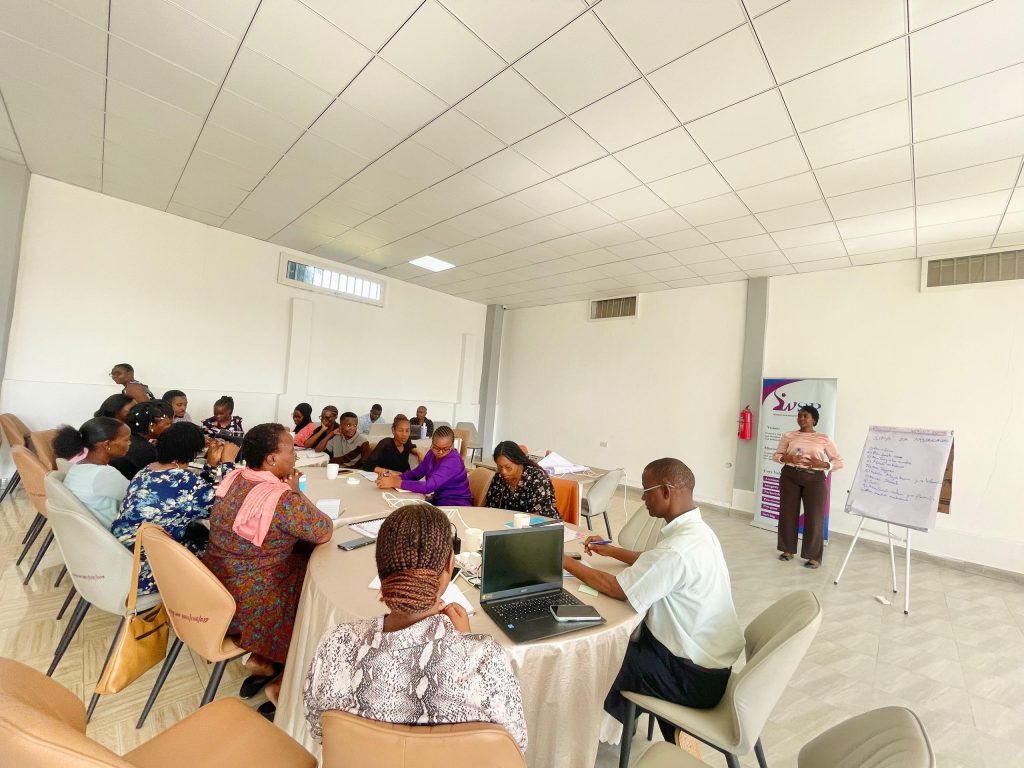
2.Stage 2: Week 1 — Training for Government Officials and Sector Ministries:Strengthening Capacity for Government Stakeholders.
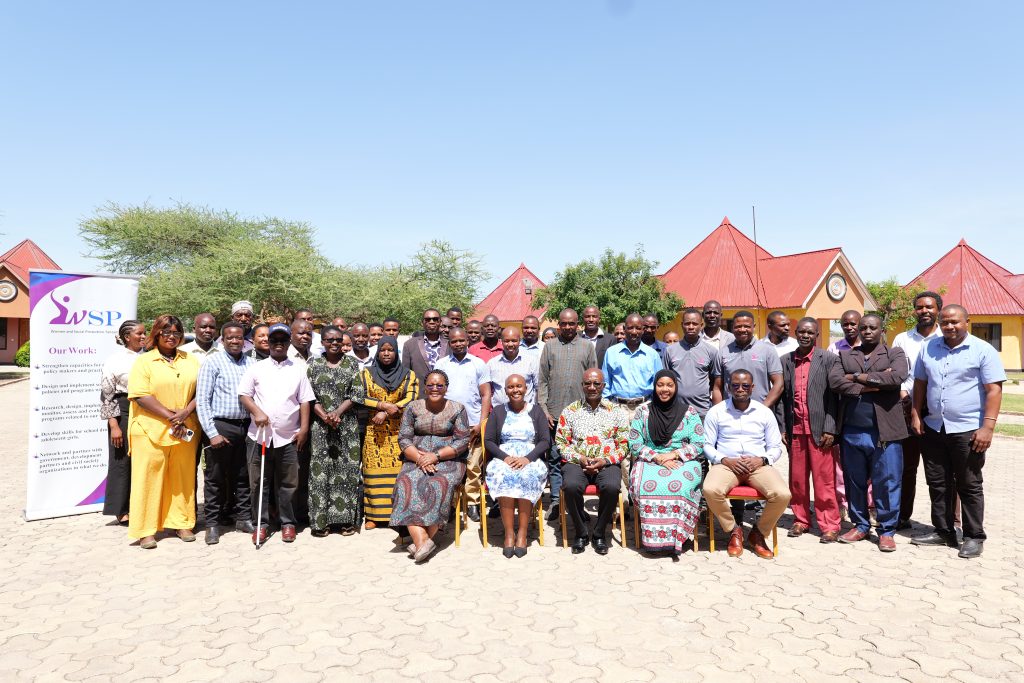
For five days, government officials from the Kishapu District Council, Shinyanga Regional Office, Ministry of Community Development, Gender, Women and Special Groups, and the President’s Office for Regional Administration and Local Government (PO-RALG) came together to engage in practical, in-depth sessions. Bringing the total attendance across these key groups to 50 members, this training focused on strengthening capacity and integrating social protection, gender equality, and women’s economic empowerment into governance frameworks.
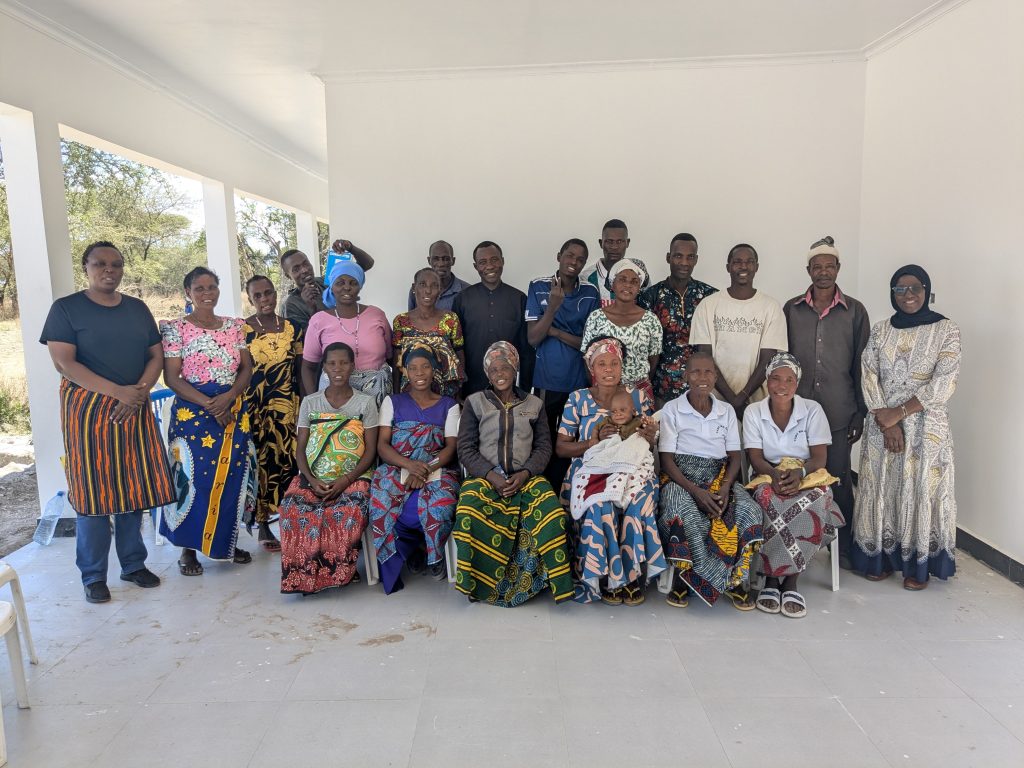
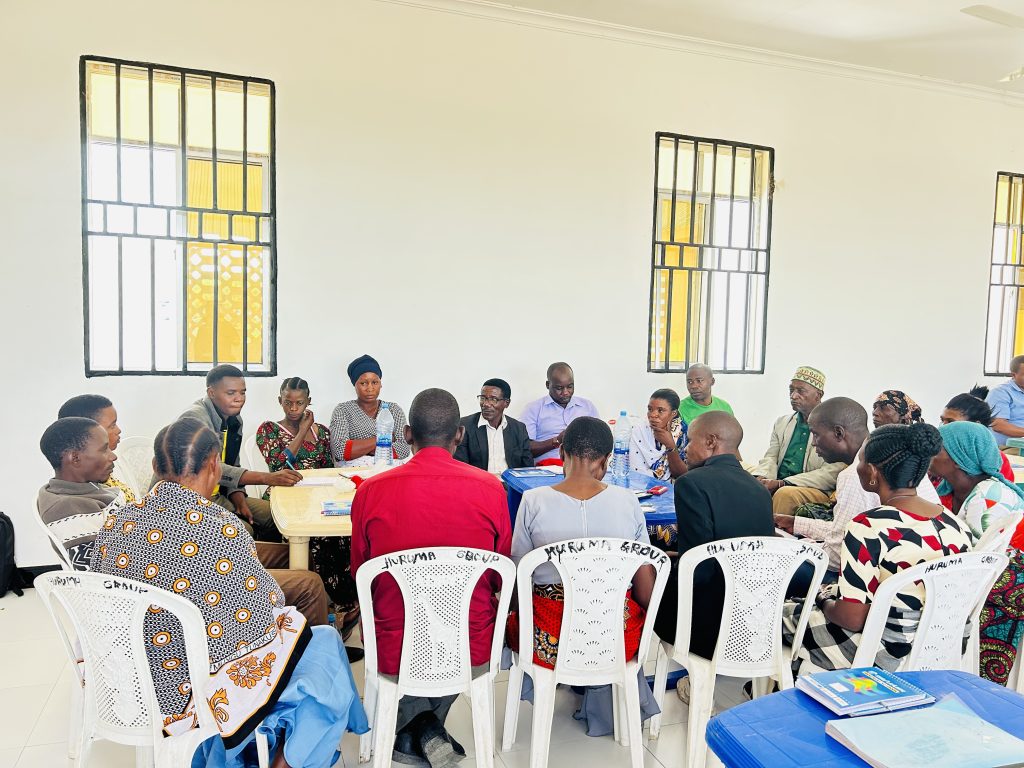
3.Stage 3: Week 1 & Week 2 — Beneficiary Training Cycles:Locking in Household Growth.
Simultaneously on the ground, the intensive refresher sessions commenced for the targeted household beneficiaries across both week one and week two. Couples and families returned to the core modules to reflect on progress and assess household workloads.
4.Stage 4: Week 2 — 1-Week Community Facilitator Training (BaBaJamii):Ground-Level Norm-Change Focus.
In the second week, the initiative launched a one-week refresher course on the ground in Kishapu specifically for community facilitators, focusing entirely on mastering the BaBaJamii modules.
What is Being Accomplished in Phase 2
With field facilitators, government officials, and ministry representatives engaged, the project has transitioned into Phase 2 for the community beneficiaries. By returning to the entrepreneurship, formal job training, and BaBaJamii modules with the community, the project targets a dual transformation:
- Household Shifts (BaBaJamii): Engaging families to support the redistribution of household chores—like chopping wood, fetching water, and house cleaning—as a daily routine for the family, drawing inspiration from approaches like Rwanda’s Bandebereho program.
- Economic Mobility: Supporting women and girls in financial literacy, bookkeeping, and market linkages, allowing them to utilize hours saved from water-fetching chores for small businesses and employment opportunities.
Looking Ahead
The rollout of Phase 2 in Kishapu highlights the continuous coordination between community training, local leadership, and sectoral ministries. By reinforcing institutional alignment across different levels of government, elevating facilitator skills, and anchoring families in continuous learning, the WSP, ESRF, and REDESO consortium continues its work toward gender equality and economic development in Tanzania.